Learning CPR is one of the most practical steps a person can take to prepare for unexpected emergencies. Whether someone is pursuing certification for work, meeting professional requirements, or simply wanting to be prepared to help family members and members of the community, CPR training provides valuable knowledge that can be applied in real-world situations. While individuals today have access to a variety of learning options, many people continue to choose in-person instruction because of the unique advantages that come with hands-on training and direct interaction with experienced instructors.
Throughout Dallas, people from all walks of life seek CPR training for different reasons. Healthcare professionals, teachers, childcare providers, fitness instructors, security guards, coaches, and business owners often need certification as part of their professional responsibilities. Others simply want to feel more confident knowing they have taken steps to prepare for emergencies that could happen at home, work, or in public.
For many residents, enrolling in a CPR Certification course in Downtown Dallas offers an opportunity to learn practical lifesaving skills through hands-on instruction, guided practice, and real-time feedback. While online learning has become increasingly common, many participants find that classroom-based training provides a more engaging and effective learning experience.
The Value of Hands-On Learning
CPR is not simply information that can be memorized from a book or presentation. It involves physical techniques, timing, coordination, and decision-making that are often best learned through practice.
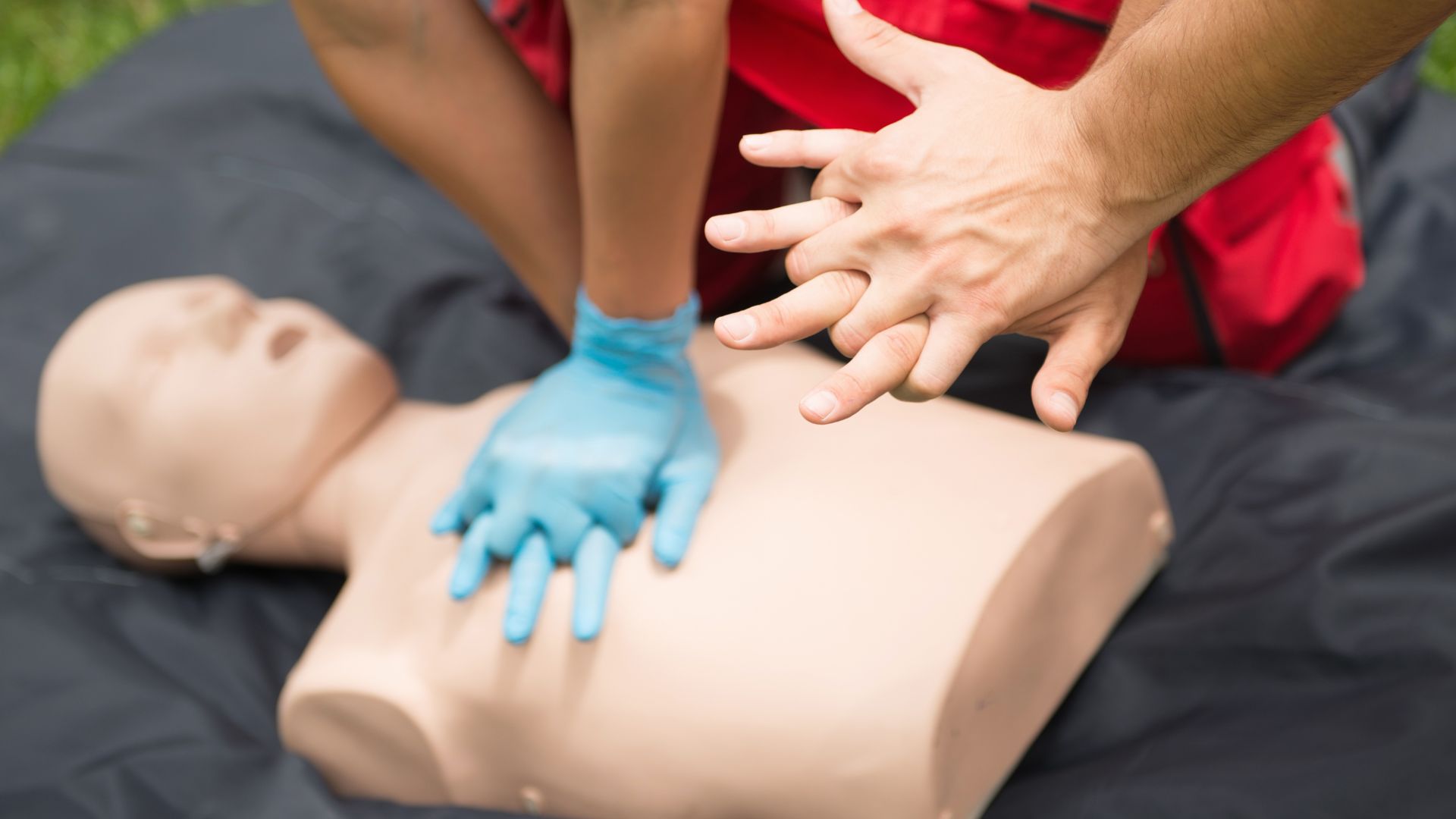
In a classroom setting, participants have the opportunity to perform skills under the guidance of a qualified instructor. This allows students to become familiar with the physical actions involved while receiving immediate feedback on their technique.
Hands-on learning helps participants:
- Build confidence through practice
- Develop muscle memory
- Become more comfortable performing CPR
- Ask questions during training
- Receive corrections when needed
- Practice realistic emergency scenarios
These advantages can help participants feel more prepared when faced with an actual emergency situation.
Why Confidence Matters During Emergencies
One of the most common reasons people hesitate during emergencies is uncertainty. Even individuals who understand CPR concepts may question whether they are performing the correct actions if they have never practiced the skills in person.
Confidence plays a significant role in emergency response. During stressful situations, individuals often rely on training and repetition to guide their actions.
In-person CPR courses provide opportunities for participants to practice skills multiple times in a controlled environment. Repetition helps reinforce techniques and allows students to become more comfortable with emergency response procedures.
The more familiar a person becomes with the process, the more likely they are to remain calm and focused if an emergency occurs.
Learning From Experienced Instructors
One of the biggest benefits of classroom-based CPR training is direct access to an instructor.
During in-person courses, students can ask questions, clarify concepts, and receive personalized guidance throughout the training process. Instructors can address misunderstandings immediately and provide explanations that may be difficult to replicate through self-paced learning.
Students often benefit from instructor insight regarding:
- Emergency response priorities
- Common mistakes
- Real-world scenarios
- CPR technique refinement
- AED awareness
- First aid considerations
The ability to interact with an experienced instructor helps create a more engaging and supportive learning environment.
Downtown Dallas Provides a Convenient Training Location
Downtown Dallas serves as a central hub for businesses, government offices, schools, healthcare facilities, and community organizations. Its accessibility makes it a convenient location for individuals seeking CPR training.
People traveling from various parts of the city can often reach downtown training locations more easily than facilities located farther from major transportation routes.
This convenience benefits a variety of individuals, including:
- Healthcare professionals
- Teachers
- Childcare providers
- Security personnel
- Fitness instructors
- Students
- Community volunteers
Accessible training locations make it easier for busy professionals to schedule classes around work and family obligations.
Practicing Realistic Emergency Scenarios
Another advantage of in-person CPR training is the opportunity to participate in realistic emergency simulations.
While no classroom can fully replicate a real emergency, scenario-based learning helps students understand how CPR skills fit into a larger emergency response process.
Participants may practice situations involving:
- Unresponsive individuals
- Cardiac emergencies
- Public emergency situations
- Workplace incidents
- Family emergencies
- Community response scenarios
These exercises help students apply what they learn and understand how different emergency response steps work together.
Why Physical Practice Is Important
Many skills require repetition before they become comfortable and familiar. CPR is no different.
Physical practice allows students to experience the mechanics involved in performing CPR. This includes body positioning, rhythm, coordination, and maintaining proper technique over time.
Benefits of hands-on practice include:
- Increased familiarity with CPR movements
- Improved comfort during emergencies
- Better retention of training concepts
- Stronger confidence in applying skills
- Enhanced preparedness
Participants often leave in-person courses with a better understanding of what performing CPR actually feels like.
Building Emergency Preparedness in the Workplace
Many employers throughout Dallas encourage or require CPR training for certain positions.
Organizations frequently recognize the value of having trained individuals available in the event of a workplace emergency. Employees who complete CPR training contribute to broader workplace preparedness efforts.
Industries that commonly benefit from CPR-trained personnel include:
- Healthcare
- Education
- Childcare
- Security
- Hospitality
- Manufacturing
- Recreation
- Government
In-person training allows employees to learn together, creating a shared understanding of emergency response procedures within the workplace.
CPR Training for Families and Caregivers
Professional requirements are not the only reason people pursue CPR training. Many parents, grandparents, caregivers, and family members choose to learn CPR because they want to be prepared to assist loved ones during emergencies.
Medical emergencies can occur at home, during family gatherings, or while participating in everyday activities.
Families often appreciate the opportunity to practice skills in a supportive classroom setting where questions are encouraged and instructors can provide additional guidance.
Knowing how to respond during an emergency can offer peace of mind and improve confidence in caring for others.
The Importance of AED Awareness
Automated External Defibrillators, commonly known as AEDs, are found in many public locations throughout Dallas. Schools, businesses, fitness centers, airports, shopping centers, and public facilities often maintain AEDs as part of their emergency preparedness programs.
In-person training frequently includes discussion and practical exposure to AED-related procedures.
Participants gain a better understanding of:
- What an AED is
- When an AED may be used
- How AEDs fit into emergency response
- Where AEDs are commonly located
- Why rapid access matters
This knowledge can help individuals feel more prepared if they encounter an emergency in a public setting.
Why Community Preparedness Matters
Communities become stronger when more individuals possess emergency response knowledge. Every person who completes CPR training contributes to a safer environment for family members, coworkers, neighbors, and visitors.
Emergency responders provide critical medical care, but they are not always immediately available. In many situations, bystanders become the first people capable of providing assistance.
Community preparedness benefits everyone by increasing awareness and encouraging proactive approaches to safety.
When more people understand emergency response principles, communities become better equipped to handle unexpected situations.
In-Person Training Encourages Better Engagement
One challenge with self-directed learning is maintaining focus and engagement throughout the training process.
Classroom environments encourage active participation. Students are able to interact with instructors, ask questions, participate in discussions, and practice skills alongside others.
Many participants find that this level of engagement helps improve retention and makes the learning experience more memorable.
The classroom setting also creates opportunities to learn from the questions and experiences of fellow participants.
Meeting Professional Requirements With Confidence
Many professions require CPR certification as part of employment qualifications. Teachers, healthcare workers, childcare providers, fitness professionals, coaches, and security personnel often need certification to meet workplace standards.
In-person training provides these professionals with opportunities to practice skills that may be directly relevant to their work environments.
Rather than simply obtaining a certification card, participants leave with practical experience and a stronger understanding of emergency response principles.
This can help professionals feel more prepared to fulfill their responsibilities in real-world situations.
The Long-Term Benefits of Hands-On CPR Education
The value of CPR training extends beyond certification requirements. Skills learned through hands-on education can remain useful for years and may benefit individuals in a variety of personal and professional settings.
Participants frequently report that in-person training provides:
- Greater confidence
- Better skill retention
- More meaningful learning experiences
- Increased preparedness
- Enhanced emergency awareness
These benefits often continue long after the class itself has ended.
The goal of CPR education is not simply to complete a course. It is to help individuals feel prepared to take action when someone needs assistance.
Why In-Person CPR Training Continues to Matter in Dallas
Technology has created many new ways to learn, but some skills still benefit greatly from hands-on instruction. CPR is one of those skills. Through guided practice, instructor feedback, realistic scenarios, and active participation, classroom-based learning helps students build confidence and develop practical emergency response abilities. Whether training is required for work or pursued for personal preparedness, enrolling in a CPR Certification class in Downtown Dallas provides an opportunity to gain valuable knowledge, strengthen emergency readiness, and learn skills that may one day help someone during a critical situation.
Frequently Asked Questions About In-Person CPR Training in Downtown Dallas
Why do many people prefer in-person CPR training?
Many individuals appreciate the opportunity to practice skills, receive instructor feedback, ask questions, and participate in realistic scenarios that support hands-on learning.
Is hands-on practice important when learning CPR?
Physical practice helps participants become more familiar with CPR techniques and often improves confidence in applying skills during emergencies.
Who should consider taking an in-person CPR course?
Healthcare professionals, teachers, childcare providers, coaches, security guards, parents, caregivers, and community members can all benefit from CPR education.
What are the advantages of learning from an instructor?
Instructors can answer questions, provide corrections, explain emergency response concepts, and offer guidance throughout the training process.
Why is Downtown Dallas a convenient location for CPR training?
Downtown Dallas is centrally located and accessible to many residents, businesses, schools, and organizations throughout the area.
Does CPR training only benefit people in healthcare professions?
No. CPR training can be valuable for anyone who wants to improve emergency preparedness and gain confidence responding to unexpected situations.