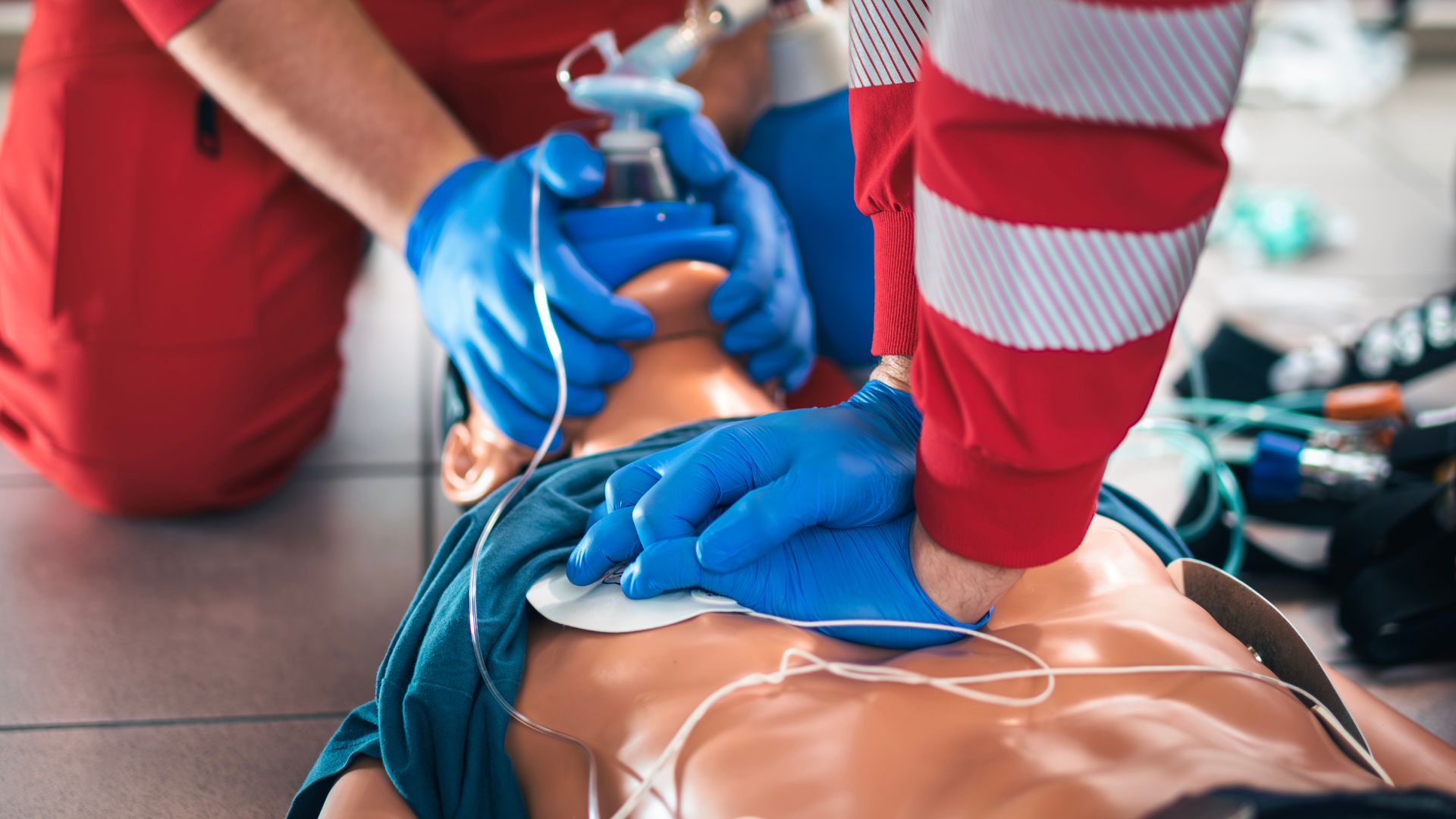
In moments of crisis, knowing how to respond swiftly and effectively can make all the difference. Cardiopulmonary resuscitation, commonly known as CPR, is a critical life-saving skill that everyone should be familiar with. But how do you know when CPR is needed? Recognizing the signs that someone requires this intervention is just as crucial as performing it correctly.
In this blog post, we will delve into the key indicators that signal the need for CPR, providing you with the confidence to act decisively in emergency situations. Understanding these signs not only empowers you to save lives but also enhances your ability to remain calm under pressure. Stay with us as we explore the vital signs to watch for and share expert insights on timely intervention..
Recognizing Critical CPR Warning Signs
Recognizing the need for CPR is a pivotal step in emergency response, and being able to identify the critical warning signs can boost your confidence and effectiveness when it matters most. Here are five crucial indicators that signal CPR intervention is needed:
1. Unresponsiveness: If an individual is unresponsive and does not react to verbal cues or gentle shakes, this is a major red flag. Immediate action is vital, and CPR should be considered if breathing is also absent.
2. Absence of Normal Breathing: Check if the person is breathing normally. Gasping or irregular breathing patterns are not normal and indicate the need for CPR. Performing CPR in these cases can maintain oxygen flow to the brain until professional help arrives.
3. Lack of Pulse: While checking for a pulse requires some skill, if you cannot detect one within 10 seconds, it’s safe to assume the heart has stopped. Initiating CPR can sustain life until advanced medical care is available.
4. Sudden Collapse: Witnessing someone suddenly collapse without any warning is a strong indicator of cardiac arrest. In such scenarios, every second counts, and administering CPR can be life-saving.
5. Cyanosis: Look for bluish discoloration around the lips, face, or extremities. This is a sign of inadequate oxygenation and can rapidly lead to severe complications. Immediate CPR can help restore circulation and oxygen flow.
Equipping yourself with the knowledge of these signs ensures you’re prepared to act swiftly. For further learning, consider enrolling in a comprehensive CPR course at CPR Dallas, where you can gain hands-on experience that complements the insights shared here.
Identifying Sudden Cardiac Arrest Symptoms
In emergency situations, recognizing the symptoms of sudden cardiac arrest (SCA) is crucial for timely intervention. Understanding these symptoms can complement your ability to identify critical CPR warning signs, ensuring you act swiftly and effectively. Here are five key symptoms to watch for:
1. Sudden Loss of Consciousness: A person experiencing SCA might collapse suddenly without any prior warning. This aligns with the earlier point about sudden collapse, emphasizing the need for immediate CPR and prompt emergency services notification.
2. No Pulse or Heartbeat: As previously mentioned, a lack of detectable pulse is a critical indicator. In SCA, the heart ceases to pump effectively, necessitating immediate CPR to maintain circulation until advanced help arrives.
3. Abnormal Breathing: Breathing patterns such as gasping or complete cessation can signal SCA. This mirrors the absence of normal breathing discussed earlier and underscores the importance of quick CPR initiation to enhance survival chances.
4. Chest Pain or Discomfort: Although not always present, some individuals may experience chest discomfort before SCA. Recognizing this symptom early can prepare you to respond if a sudden collapse follows.
5. Dizziness or Lightheadedness: These symptoms can precede a sudden cardiac arrest, indicating an urgent need to monitor the individual closely. Immediate action, including CPR, can be life-saving if the person collapses.
Understanding Breathing Emergencies and CPR Needs
Building on our understanding of sudden cardiac arrest symptoms and critical CPR warning signs, it’s essential to also grasp the dynamics of breathing emergencies. These situations often overlap with the need for CPR, as compromised breathing can quickly escalate into life-threatening scenarios. Recognizing when CPR is needed during a breathing emergency can make all the difference in an individual’s survival and recovery.
Recognizing Breathing Difficulties: Breathing emergencies can manifest in various forms, such as choking, asthma attacks, or allergic reactions. In such cases, ensuring a clear airway is crucial. If an individual is unable to speak, cough, or breathe, immediate action is required. CPR may be necessary if the person becomes unresponsive.
Obstructed Airway: A blocked airway is a common cause of breathing emergencies. Performing the Heimlich maneuver can often dislodge obstructions; however, if the person loses consciousness, CPR should be initiated promptly. The American Red Cross provides detailed guidance on these techniques, which can be vital in emergencies.
Respiratory Arrest: When breathing stops entirely, it signals the need for immediate CPR. This condition can arise from various causes, including drug overdoses or severe asthma attacks. Initiating CPR helps maintain oxygen flow to vital organs until professional help arrives.
Monitoring Warning Signs: Be vigilant for signs such as cyanosis, which, as mentioned earlier, indicates inadequate oxygenation. Rapid intervention with CPR can help restore adequate blood flow and oxygen levels, potentially averting severe outcomes.
Training and Preparedness: To enhance your readiness in handling breathing emergencies, consider enrolling in a CPR course at CPR Dallas. Their training programs offer comprehensive skills that are invaluable in both recognizing and responding to such emergencies.
Understanding and acting upon these breathing emergency indicators can significantly improve outcomes. By integrating this knowledge with CPR skills, you enhance your ability to respond effectively, providing critical support when every second counts.
Assessing Unconsciousness: When to Administer CPR
Understanding when to administer CPR to an unconscious individual is crucial, as it directly impacts their chances of survival and recovery. Building upon our earlier discussions about recognizing critical CPR warning signs and breathing emergencies, let’s delve into how to assess unconsciousness and determine the need for CPR intervention. Here are five key assessments to consider:
1. Check Responsiveness: Begin by gently shaking the person and calling out to them. If there is no response, it indicates a significant level of unconsciousness, warranting further assessment. This aligns with our earlier point about unresponsiveness being a major indicator for CPR.
2. Assess Breathing: Observe the individual’s chest for movement and listen for normal breathing sounds. Irregular or absent breathing, as discussed earlier, is a strong sign that CPR may be necessary. Prompt action can maintain vital oxygen flow until emergency services arrive.
3. Evaluate Pulse: Attempt to find a pulse in the carotid artery. If you cannot detect a pulse within 10 seconds, it suggests cardiac arrest, necessitating immediate CPR. This evaluation complements the absence of a normal heartbeat noted in previous sections.
4. Look for Cyanosis: As previously highlighted, bluish discoloration around the lips and extremities indicates inadequate oxygenation. In unconscious individuals, this symptom underscores the urgency of initiating CPR to restore proper blood circulation.
5. Consider Medical Conditions: If the person has known medical conditions like heart disease or respiratory issues, unconsciousness could be a sign of a severe episode requiring urgent CPR. Understanding these contexts enhances your ability to respond effectively.
By recognizing these signs and acting swiftly, you can significantly impact outcomes in critical situations. For comprehensive training and to enhance your readiness, consider enrolling in a CPR course at CPR Dallas. Their programs offer valuable skills that prepare you to handle emergencies with confidence and expertise.
Top CPR Certification In Dallas
In moments of urgency, recognizing the need for CPR and acting swiftly can be the difference between life and death. Throughout this blog post, we’ve explored critical indicators such as unresponsiveness, abnormal breathing patterns, lack of pulse, and symptoms of sudden cardiac arrest, all of which demand immediate attention and intervention. We’ve also emphasized the importance of being prepared to handle breathing emergencies by understanding symptoms like obstructed airways and respiratory arrest.
Equipping yourself with CPR skills not only boosts your confidence but also prepares you to make a significant impact when every second counts. To ensure you’re fully prepared, consider enrolling in a comprehensive CPR course at CPR Dallas. Their expert training programs will empower you with the hands-on experience needed to perform CPR effectively. Don’t wait for an emergency to take action; contact CPR Dallas today at (214) 949-8322, visit their website, or book a course online to start your life-saving journey.
Frequently Asked Questions
What are the key signs that someone needs CPR?
Recognizing the need for CPR is crucial in emergency situations. Key signs include unresponsiveness, where the individual does not react to verbal cues or gentle shaking. Additionally, the absence of normal breathing, such as gasping or irregular patterns, indicates the need for CPR. A lack of pulse, detected within 10 seconds, suggests cardiac arrest. Witnessing a sudden collapse or noticing cyanosis, a bluish discoloration around the lips and extremities, also signals the urgency for CPR intervention. Recognizing these signs empowers you to take swift action, potentially saving a life.
How do I determine if a person is unconscious or unresponsive?
To determine if a person is unconscious or unresponsive, start by gently shaking them and calling out to elicit a response. If there is no reaction, the individual is likely unconscious. Next, assess their breathing by observing chest movement and listening for normal breathing sounds. Check for a pulse in the carotid artery; absence of a pulse within 10 seconds suggests the need for CPR. Additionally, look for signs of cyanosis, which indicates inadequate oxygenation and necessitates immediate intervention.
Why is it important to recognize when CPR is needed quickly?
Recognizing when CPR is needed quickly is vital because it directly impacts the survival and recovery chances of the individual. Immediate CPR can maintain blood flow and oxygen delivery to the brain and vital organs, buying crucial time until advanced medical help arrives. Swift identification of critical signs like unresponsiveness, absence of normal breathing, and lack of pulse allows for timely intervention, reducing the risk of severe brain damage or death. Rapid action is essential in maximizing positive outcomes in life-threatening situations.
When should I call emergency services if CPR is required?
Call emergency services immediately when you determine that CPR is required. Once you identify critical signs such as unresponsiveness or absence of normal breathing, ensure someone calls 911 or the local emergency number. If you are alone, make the call before starting CPR. Promptly notifying emergency services ensures that professional medical help is on the way while you perform CPR, providing the best chance for the individual’s survival and recovery.