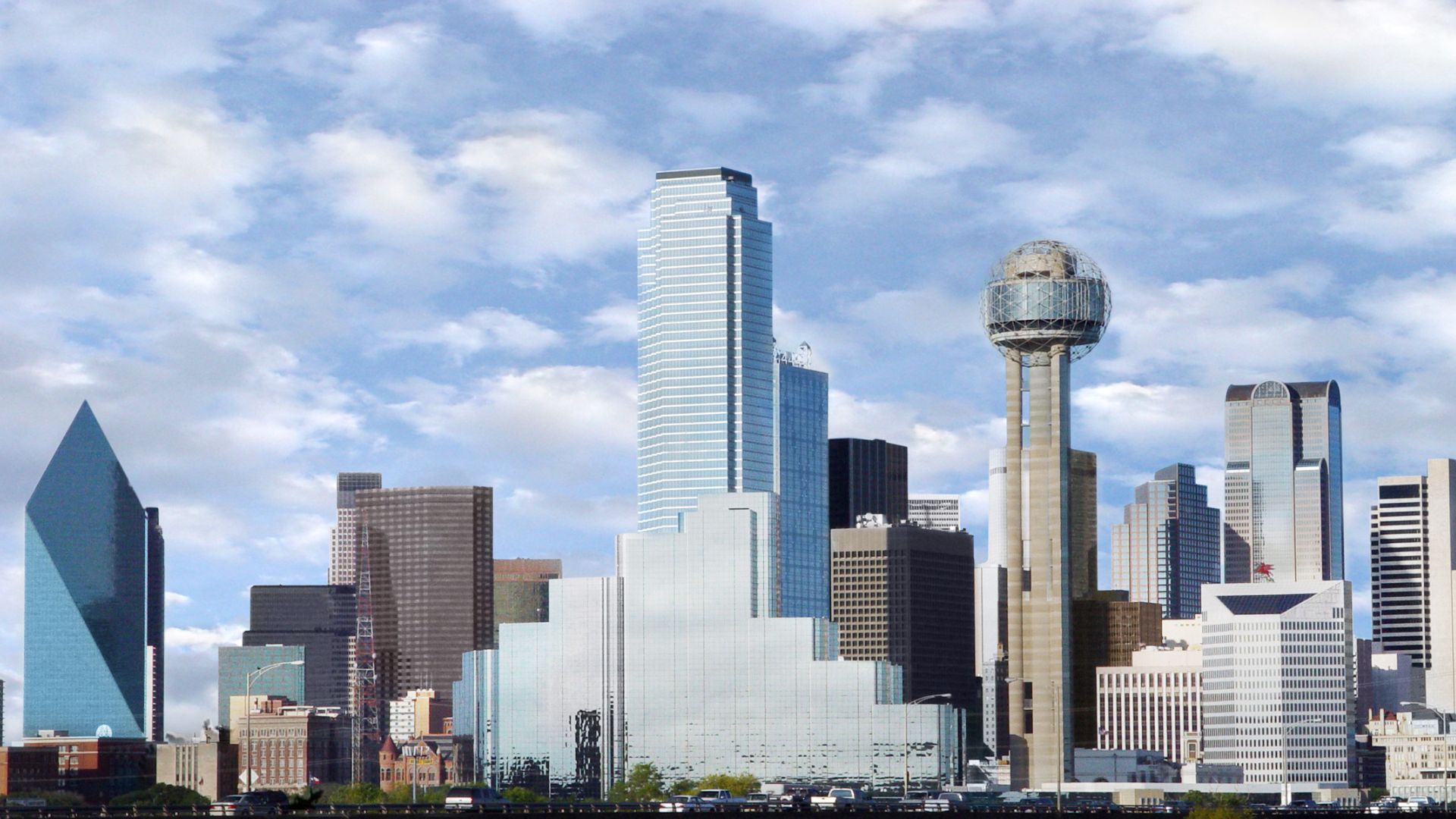
Summer in Dallas is not just hot, it can be dangerous. With temperatures regularly climbing into the 90s and often exceeding 100°F, heat-related emergencies are a serious concern for residents and visitors alike.
While many people think of heat as just uncomfortable, the reality is much more severe. Heat exhaustion, heatstroke, dehydration, and cardiac stress can escalate quickly, especially in high-risk environments. That is why having the knowledge and confidence to respond is critical. Enrolling in an in-person CPR Certification course ensures you are prepared to act immediately when emergencies happen.
Why Dallas Summers Are So Dangerous
Dallas summers bring prolonged heat waves that can push the body beyond its limits. Heat is not just a seasonal inconvenience, it is one of the leading weather-related causes of death in the United States.
In Texas, the risks are even higher. Heat-related deaths have increased significantly in recent years, with hundreds of deaths reported annually across the state.
In Dallas County specifically, extreme heat leads to:
- Emergency room visits for heat exhaustion and heatstroke
- Increased risk for cardiac events
- Dangerous conditions for outdoor workers and residents
- Life-threatening situations for vulnerable populations
Even a single day of extreme heat can overwhelm the body if precautions are not taken.
The Link Between Heat and Medical Emergencies
Heat does more than make you sweat. It places stress on nearly every system in the body.
Extreme heat can:
- Dehydrate the body rapidly
- Increase heart rate and strain the cardiovascular system
- Impair brain function and decision-making
- Lead to heatstroke, which can cause organ failure
Medical experts warn that prolonged exposure to high temperatures can lead to serious illness, including heat exhaustion and heatstroke, especially when people stay outdoors too long or do not hydrate properly.
In severe cases, heatstroke can lead to cardiac arrest, which is where CPR becomes essential.
Understanding Heat-Related Illnesses
There are several stages of heat-related illness, each more dangerous than the last.
Heat Cramps
- Muscle cramps caused by dehydration
- Often the first warning sign
Heat Exhaustion
- Heavy sweating
- Weakness and dizziness
- Nausea or headache
Heatstroke
- Body temperature above 103°F
- Confusion or unconsciousness
- Hot, dry skin
- Medical emergency requiring immediate action
If heat exhaustion is not treated quickly, it can progress into heatstroke, which can be fatal.
Why CPR Is Critical During Heat Emergencies
Many people do not realize that severe heat-related illness can lead to cardiac arrest. When the body overheats, it can disrupt normal heart function and breathing.
CPR becomes critical when:
- A person stops breathing
- A person loses consciousness
- The heart stops pumping effectively
CPR helps maintain blood flow and oxygen to the brain until emergency responders arrive.
Without CPR:
- Brain damage can begin within minutes
- Survival chances drop rapidly
- Outcomes worsen significantly
This is why immediate action is so important during heat-related emergencies.
The First Few Minutes Matter Most
During any emergency, especially cardiac arrest, the first few minutes are the most critical.
Without intervention:
- Survival decreases with each passing minute
- Brain injury can occur quickly
- Waiting for help alone is not enough
In a large city like Dallas, emergency responders may take time to arrive depending on location and conditions. That means bystanders play a crucial role.
Your ability to respond immediately can save a life.
Why People Hesitate to Help
Despite the importance of CPR and first aid, many people hesitate to act during emergencies.
Common reasons include:
- Fear of doing something wrong
- Lack of confidence
- Uncertainty about what to do
- Panic in stressful situations
This hesitation can delay life-saving care.
The solution is not just awareness, it is proper training.
How In-Person CPR Training Builds Real Confidence
In-person CPR training is the most effective way to prepare for emergencies because it focuses on hands-on experience.
During training, you will:
- Practice chest compressions on mannequins
- Learn proper timing and rhythm
- Receive real-time feedback from instructors
- Build muscle memory through repetition
This type of training ensures you are not just learning CPR, you are preparing to use it.
Choosing an in-person CPR Certification course helps eliminate hesitation and builds the confidence needed to act immediately.
Why Hands-On Training Is Better Than Online Learning
While online courses can provide basic information, they cannot replace hands-on practice.
In-person training offers:
- Real-world skill development
- Immediate correction of technique
- Interactive learning environment
- Better retention of information
Without hands-on practice, many people struggle to perform CPR correctly under pressure.
When lives are at stake, proper technique matters.
First Aid Skills That Matter in Dallas Heat
In addition to CPR, first aid skills are essential during summer emergencies.
Key skills include:
- Recognizing signs of heat exhaustion and heatstroke
- Cooling the body quickly and safely
- Hydrating effectively
- Managing dehydration symptoms
- Treating minor injuries like burns or cuts
These skills work together with CPR to provide a complete emergency response.
Who Is Most at Risk During Dallas Summers
Heat-related illness can affect anyone, but certain groups are more vulnerable.
High-risk individuals include:
- Outdoor workers
- Children and infants
- Older adults
- People with underlying health conditions
- Individuals without access to air conditioning
Data shows that even adults between 18 and 50 are significantly affected by heat-related illnesses in Dallas County.
Understanding these risks helps you stay alert and prepared.
The Growing Impact of Heat in Texas
Heat-related emergencies are becoming more common across Texas. Recent data shows a sharp increase in heat-related deaths and illnesses over the past few years.
In addition:
- Emergency room visits for heat-related illness are rising
- Children’s heat-related hospital visits have increased significantly
- Heat waves are becoming more frequent and intense
This trend makes CPR and first aid training more important than ever.
Real-Life Scenarios Where CPR May Be Needed
In Dallas, heat-related emergencies can happen in everyday situations, such as:
- Outdoor events or festivals
- Construction or job sites
- Parks and recreational areas
- Sporting events
- Homes without adequate cooling
In any of these scenarios, someone may collapse or stop breathing due to heat-related stress.
Being prepared allows you to step in immediately.
Preventing Heat-Related Emergencies
While training is essential, prevention is equally important.
Follow these safety tips:
- Stay hydrated throughout the day
- Avoid outdoor activity during peak heat hours
- Wear lightweight, breathable clothing
- Take breaks in shaded or air-conditioned areas
- Never leave children or pets in vehicles
Temperatures inside a car can reach dangerously high levels within minutes, creating life-threatening conditions.
Prevention reduces risk, but preparation ensures you can respond if something goes wrong.
How CPR Training Strengthens Dallas Communities
When more people are trained in CPR and first aid, entire communities benefit.
Increased training leads to:
- Faster emergency response
- Higher survival rates
- Greater public confidence
- Safer environments for everyone
In a large city like Dallas, widespread training can make a significant difference.
Choosing the Right CPR Training in Dallas
Not all CPR courses provide the same level of preparation. It is important to choose a provider that emphasizes hands-on learning.
Look for:
- Fully in-person instruction
- Certified instructors
- Real-life scenario training
- Same-day certification options
Enrolling in a trusted CPR Certification course ensures you are ready for real emergencies, not just passing a test.
Why Every Second Counts in the Heat
Heat-related emergencies can escalate quickly. What starts as mild dehydration can turn into a life-threatening situation in a short amount of time.
Understanding how to respond and acting quickly can:
- Prevent serious complications
- Reduce the risk of long-term damage
- Save a life
Your actions in those first few minutes are critical.
Final Thoughts on CPR and First Aid in Dallas Summer Heat
Dallas summers are not just hot, they are dangerous. With rising temperatures and increasing heat-related illnesses, being prepared is more important than ever.
Knowing CPR and first aid gives you the ability to act when emergencies happen. It turns you from a bystander into someone who can make a life-saving difference.
By enrolling in an in-person CPR Certification course, you gain the hands-on experience and confidence needed to respond effectively in real-world situations. In the extreme heat of a Dallas summer, that training could save a life.
Frequently Asked Questions About CPR and Heat Emergencies
Can heatstroke cause cardiac arrest?
Yes, severe heatstroke can disrupt heart function and lead to cardiac arrest if not treated immediately.
What should I do if someone collapses from heat?
Call 911, move them to a cooler area, begin cooling efforts, and start CPR if they are not breathing.
Is in-person CPR training necessary?
Yes, in-person training provides hands-on experience and builds confidence for real emergencies.
Who should learn CPR in Dallas?
Anyone can benefit, especially parents, workers, and community members.
How long does CPR certification last?
CPR certification typically lasts two years before renewal is required.
What is the most dangerous heat-related illness?
Heatstroke is the most severe and can be life-threatening without immediate treatment.