Parents trust childcare providers to keep their children safe, healthy, and cared for throughout the day. Whether working in a daycare center, preschool, after-school program, or as a private caregiver, childcare professionals play a critical role in protecting children from harm and responding when emergencies occur.
While no one expects a medical emergency to happen, childcare providers must be prepared to act quickly when situations arise. Young children can experience choking incidents, allergic reactions, breathing difficulties, falls, and other emergencies that require immediate intervention. During those critical moments before emergency responders arrive, a caregiver’s actions can make a significant difference.
Through CPR Certification Dallas, childcare providers can gain the hands-on training and confidence needed to respond effectively to pediatric emergencies. The American Heart Association’s Heartsaver Pediatric First Aid CPR AED course is specifically designed for childcare professionals, teachers, camp counselors, and others responsible for caring for children.
Childcare Providers Are Often the First to Respond
Emergencies involving children can happen at any time and often without warning.
A childcare provider may need to respond during:
- Snack time
- Outdoor play
- Classroom activities
- Naptime
- Field trips
- Pick-up and drop-off periods
Because children rely on adults for their safety and well-being, caregivers are typically the first individuals available to provide assistance until emergency medical personnel arrive.
CPR training helps childcare providers respond quickly, confidently, and effectively during these critical situations.
Choking Emergencies Are Common Among Young Children
Children are naturally curious and frequently explore objects by putting them into their mouths.
Common choking hazards include:
- Grapes
- Hard candy
- Popcorn
- Small toys
- Coins
- Buttons
- Art supplies
Pediatric CPR training teaches childcare providers how to:
- Recognize signs of airway obstruction
- Perform choking relief techniques for infants and children
- Assess breathing
- Determine when CPR is necessary
- Contact emergency medical services promptly
Quick action during a choking emergency can prevent a situation from becoming life-threatening.
Pediatric CPR Requires Specialized Training
Many people are surprised to learn that CPR procedures differ significantly between adults, children, and infants.
Important differences include:
- Compression depth
- Hand placement
- Airway positioning
- Rescue breathing techniques
- Choking response procedures
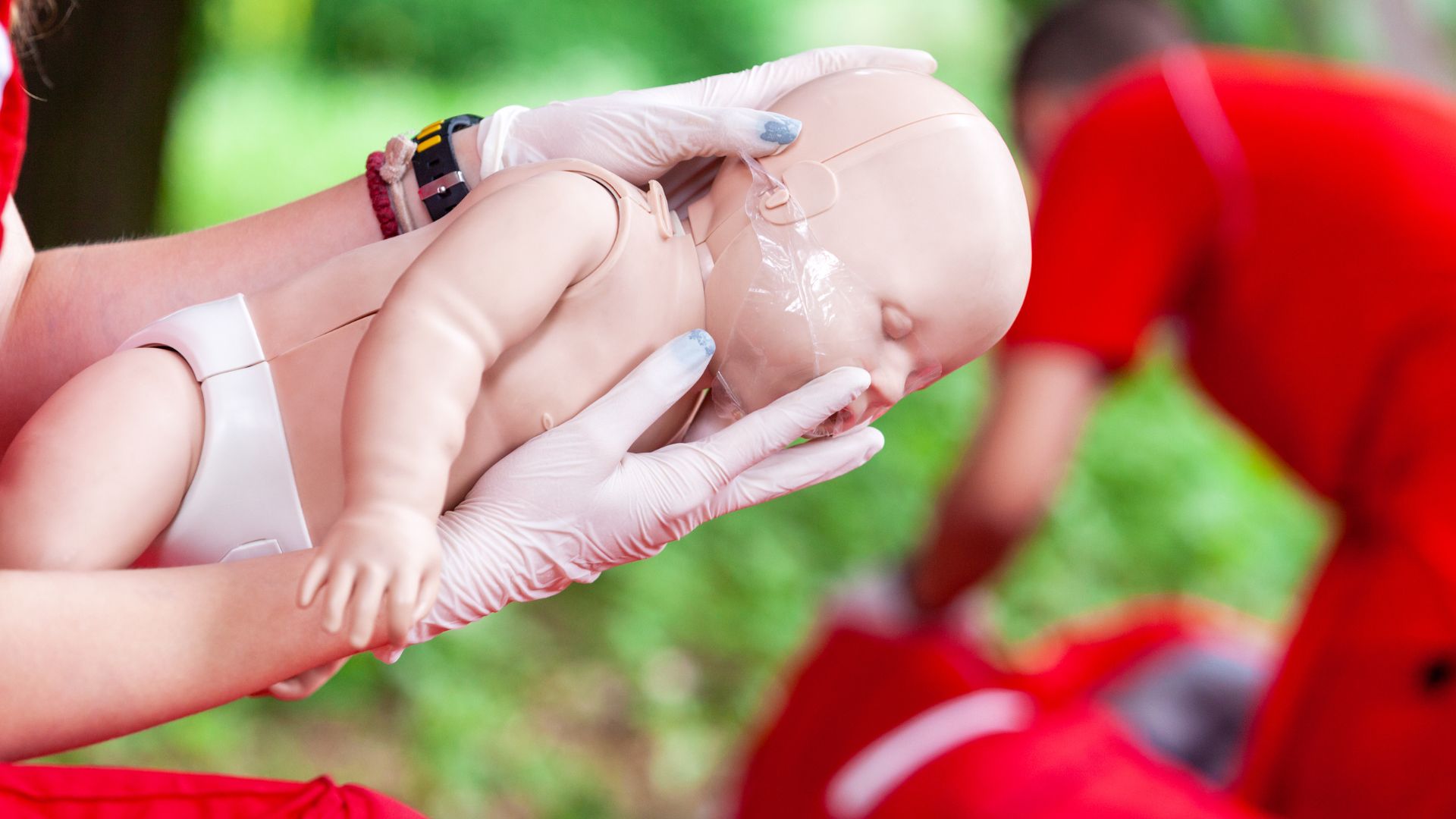
Hands-on CPR classes allow childcare providers to practice these skills using pediatric training manikins, helping them develop proper technique and confidence.
The American Heart Association’s Heartsaver Pediatric First Aid CPR AED program focuses specifically on emergencies involving infants and children, making it particularly valuable for childcare professionals.
Allergic Reactions Can Become Serious Quickly
Food allergies and environmental allergies are becoming increasingly common among children.
Common allergy triggers include:
- Peanuts
- Tree nuts
- Milk
- Eggs
- Soy
- Shellfish
- Insect stings
A severe allergic reaction may cause:
- Difficulty breathing
- Swelling of the throat
- Wheezing
- Hives
- Loss of consciousness
Pediatric First Aid and CPR training help childcare providers identify the warning signs of a severe allergic reaction and understand when immediate emergency care is needed.
Breathing Emergencies Require Immediate Attention
Many pediatric emergencies begin with breathing problems.
Potential causes include:
- Choking
- Asthma attacks
- Allergic reactions
- Respiratory illnesses
- Drowning incidents
Unlike many adult cardiac emergencies, pediatric cardiac arrest is often linked to respiratory failure.
CPR training teaches caregivers how to recognize respiratory distress, provide rescue breathing, and take appropriate action while waiting for emergency medical services.
Falls and Playground Injuries Are Common
Children are active, energetic, and constantly on the move. While many bumps and scrapes are minor, some injuries require immediate attention.
Common childcare-related injuries include:
- Falls
- Head injuries
- Broken bones
- Cuts and lacerations
- Loss of consciousness
CPR and First Aid training help providers assess injuries, monitor a child’s condition, and provide appropriate care until professional medical help arrives.
AED Training Strengthens Emergency Preparedness
Automated External Defibrillators (AEDs) are becoming increasingly common in schools, childcare facilities, recreation centers, and public buildings.
Many CPR courses include AED instruction covering how to:
- Turn on the device
- Place electrode pads correctly
- Follow voice prompts
- Continue CPR after a shock is delivered
The Heartsaver Pediatric First Aid CPR AED course includes AED training as part of its comprehensive emergency response curriculum.
Familiarity with AED use helps childcare providers respond more confidently during high-stress emergencies.
Hands-On CPR Training Builds Confidence
One of the biggest barriers people face during emergencies is uncertainty.
Many childcare providers worry they may:
- Forget the correct steps
- Perform CPR incorrectly
- Panic under pressure
- Cause additional harm
Hands-on CPR training addresses these concerns through guided practice and repetition.
Participants gain experience performing:
- Infant CPR
- Child CPR
- Choking relief techniques
- AED operation
- Emergency assessments
This practical training helps develop the confidence and muscle memory needed to respond effectively during real emergencies.
CPR Certification Supports Professional Standards
Many childcare centers, preschools, and early education programs require staff members to maintain current CPR certification.
The American Heart Association identifies childcare workers as one of the primary groups that benefit from the Heartsaver Pediatric First Aid CPR AED program.
Maintaining certification demonstrates professionalism, preparedness, and a commitment to child safety.
It also helps childcare organizations meet licensing requirements and safety expectations.
Parents Value CPR-Certified Caregivers
Families trust childcare providers with their children’s health and safety.
Knowing that caregivers have CPR training provides reassurance that staff members are prepared to respond to emergencies involving:
- Choking
- Allergic reactions
- Breathing difficulties
- Playground accidents
- Medical emergencies
A commitment to CPR certification helps build trust between childcare providers and the families they serve.
CPR Skills Extend Beyond the Workplace
While many childcare professionals seek CPR certification to meet job requirements, these life-saving skills often prove valuable in everyday situations.
CPR-trained individuals may one day assist:
- Family members
- Friends
- Neighbors
- Community members
- Complete strangers
Learning CPR helps create safer homes, workplaces, and communities throughout Dallas and beyond.
Pediatric First Aid Complements CPR Training
Comprehensive pediatric emergency preparedness includes both CPR and First Aid instruction.
Topics commonly covered include:
- Bleeding control
- Burns
- Seizures
- Head injuries
- Asthma emergencies
- Drowning response
- Shock recognition
The Heartsaver Pediatric First Aid CPR AED course helps childcare providers manage common childhood illnesses and injuries until professional medical care becomes available.
Final Thoughts About CPR Certification for Childcare Providers in Dallas
Working with children means being prepared for unexpected situations. Choking emergencies, allergic reactions, breathing difficulties, and playground injuries can occur without warning, making immediate action critical.
Through CPR Certification Dallas, childcare providers can develop the hands-on skills and confidence needed to perform pediatric CPR, respond to choking emergencies, provide First Aid, and use an AED when necessary. Investing in CPR training helps create safer childcare environments, strengthens trust with parents, and ensures caregivers are ready to respond when every second counts.
Frequently Asked Questions About CPR Certification for Childcare Providers in Dallas
Why should childcare providers have CPR certification?
Childcare providers are often the first adults available to respond to pediatric emergencies such as choking, allergic reactions, and breathing difficulties. CPR training prepares them to take immediate action.
Is pediatric CPR different from adult CPR?
Yes. Infant and child CPR use different compression depths, hand placement, rescue breathing methods, and airway positioning compared to adult CPR.
Does CPR training include choking response techniques?
Yes. Pediatric CPR courses teach choking relief procedures specifically designed for infants and children.
What CPR course is recommended for childcare providers?
The American Heart Association’s Heartsaver Pediatric First Aid CPR AED course is specifically designed for childcare professionals and caregivers.
Does the course include First Aid training?
Yes. Participants learn how to respond to common childhood injuries and illnesses, including burns, bleeding, allergic reactions, asthma attacks, and more.
How long is CPR certification valid?
The Heartsaver Pediatric First Aid CPR AED certification is typically valid for two years before renewal is required.
Why is hands-on CPR training important?
Hands-on practice helps participants build confidence and develop muscle memory by physically performing CPR and emergency response techniques.
Can CPR skills be useful outside of childcare settings?
Absolutely. CPR-trained individuals can use their skills to help family members, friends, neighbors, or anyone experiencing a medical emergency.