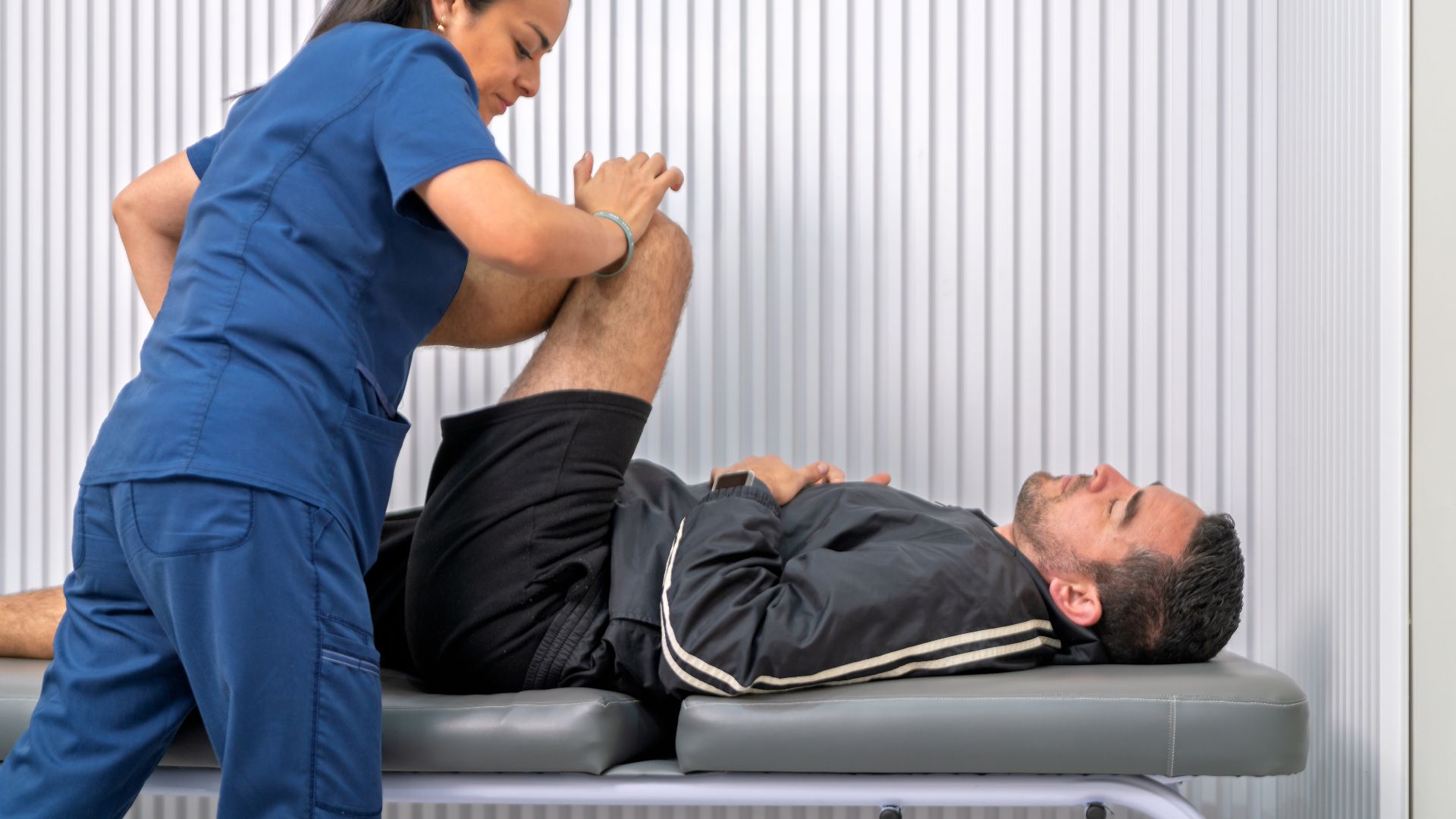
In the dynamic field of physical therapy, professionals are often at the forefront of patient care, helping individuals regain strength and mobility. However, beyond their expertise in movement and rehabilitation, there is another crucial skill that can significantly enhance their ability to provide comprehensive care,CPR certification. As a physical therapist, being equipped with Cardiopulmonary Resuscitation (CPR) skills is not just a certification; it’s a vital component of patient safety and emergency preparedness.
Physical therapists frequently work with individuals who have complex health issues, and the ability to respond effectively in a cardiac emergency can make all the difference. Whether it’s a sudden collapse during a rehabilitation session or an unexpected medical event in the clinic, knowing how to perform CPR can empower therapists to act swiftly and confidently. Understanding the importance of CPR certification also aligns with the broader responsibility of healthcare professionals to ensure a safe environment for their patients.
As we delve deeper into this topic, we will explore the specific benefits of CPR certification for physical therapists, the process of obtaining this certification, and how it integrates with their daily practice. Additionally, we’ll discuss the evolving standards and guidelines that make CPR training more accessible and effective for healthcare providers.Stay tuned as we unpack these critical insights and more.
Why CPR Certification is Essential for Physical Therapists
1. Enhanced Patient Safety
Physical therapists play a pivotal role in the rehabilitation of patients with diverse health issues. By obtaining CPR certification, therapists can ensure a higher level of safety for their patients. In the event of a cardiac emergency, swift and knowledgeable action can mean the difference between life and death. This certification empowers therapists to provide immediate care, minimizing the time to intervention and potentially improving patient outcomes.
2. Increased Professional Credibility
Having CPR skills not only enhances a therapist’s ability to respond to emergencies but also boosts their professional credibility. Patients and their families can feel more at ease knowing their therapist is equipped to handle critical situations. This trust can foster better therapeutic relationships and enhance the reputation of the clinic or practice. CPR training programs are widely recognized and respected, further solidifying a therapist’s standing in the healthcare community.
3. Integration with Daily Practice
CPR certification seamlessly integrates with the daily responsibilities of a physical therapist. Whether conducting a rigorous therapy session or monitoring a patient’s progress, the ability to perform CPR adds an essential layer of preparedness. This skill complements the therapist’s existing knowledge in anatomy and physiology, creating a holistic approach to patient care that emphasizes safety at every step.
4. Compliance with Industry Standards
As healthcare standards evolve, the importance of CPR certification becomes increasingly apparent. Many healthcare facilities now require CPR certification as part of their employment criteria. Staying current with certifications ensures that therapists comply with industry standards and are ready to meet the demands of their profession. This commitment to ongoing education reflects a dedication to excellence and patient well-being.
5. Access to Continuous Learning Opportunities
Engaging in CPR certification opens up a pathway to continuous learning and professional development. Organizations like the American Heart Association provide updates on the latest CPR techniques and guidelines, ensuring that healthcare providers remain informed and capable. By participating in these programs, physical therapists can stay at the forefront of emergency care practices, enhancing their skill set and contributing to a culture of safety within their practice.
Steps to Obtain CPR Certification for Therapists
Embarking on the journey to obtain CPR certification as a physical therapist is a step towards not only enhancing patient safety but also boosting your professional credibility. This process, while straightforward, demands attention to detail and a commitment to excellence. Here are the key steps to ensure you achieve certification effectively.
1. Choose a Reputable Training Provider
Begin by selecting a reputable organization that offers CPR certification. Institutions such as CPR Dallas or the Red Cross are renowned for their comprehensive programs, ensuring you receive high-quality training that aligns with industry standards. These programs are designed to cater to healthcare professionals, providing in-depth knowledge and practical experience.
2. Register for a Course that Fits Your Schedule
With various formats available, including in-person and online courses, you can choose a schedule that best fits your professional commitments. Online modules often allow for self-paced learning, providing flexibility while ensuring that you still receive the necessary hands-on practice through blended learning formats.
3. Complete the Required Training
The training will cover essential CPR techniques, including chest compressions, rescue breaths, and the use of an Automated External Defibrillator (AED). This comprehensive approach ensures that you are well-prepared to handle real-life emergencies, integrating these critical skills into your daily practice seamlessly.
4. Pass the Certification Exam
Upon completing the training, you will need to pass a certification exam. This assessment typically includes both a written test and a practical skills test, evaluating your ability to perform CPR effectively and confidently. Success in this exam not only validates your knowledge but also reinforces your readiness to respond in emergencies.
5. Maintain Your Certification
CPR certification is not a one-time achievement. It requires regular renewal to keep your skills sharp and up-to-date with the latest guidelines. Most certifications are valid for two years, after which you’ll need to complete a recertification course. Staying current demonstrates your commitment to maintaining high standards of patient care and safety.
By following these steps, physical therapists can enhance their capability to provide immediate care during emergencies. This proactive approach not only fulfills a critical professional responsibility but also contributes to the overall safety and well-being of the patients under their care.
Top CPR Certification Courses for Physical Therapists
For physical therapists looking to enhance their emergency response capabilities, enrolling in a top-tier CPR certification course is a strategic step. With the critical role CPR plays in patient safety and professional credibility, selecting a course that provides comprehensive training is essential. Below are some of the leading CPR certification courses tailored for healthcare professionals, ensuring you receive the knowledge and skills necessary to excel in emergency situations.
1. Red Cross CPR Certification
The American Red Cross provides CPR certification courses with a focus on flexibility and comprehensive training. Their blended learning approach combines online coursework with hands-on practice, allowing physical therapists to learn at their own pace while ensuring they are prepared for real-world emergencies. This method is particularly beneficial for therapists with demanding schedules, as it accommodates their need for both theoretical and practical skill development.
2. National Safety Council (NSC) CPR Training
Offering courses that cater to the specific needs of healthcare professionals, the National Safety Council delivers CPR training that emphasizes situational awareness and emergency response. Their programs are designed to integrate seamlessly into the daily practice of physical therapists, ensuring that the knowledge gained is directly applicable to their work environment. By focusing on practical skills and updated guidelines, NSC courses help therapists maintain a high standard of patient care.
3. Online CPR Certification Programs
For those who prefer the convenience of online learning, several accredited platforms offer CPR certification courses that cater to healthcare providers. These programs provide flexibility and accessibility, allowing physical therapists to balance their professional commitments while obtaining necessary certification. It’s crucial to choose a program that includes a hands-on component to ensure skills are practiced and validated, maintaining the integrity of the certification.
By considering these top CPR certification courses, physical therapists can ensure they are well-equipped to handle emergencies with confidence and professionalism. Investing in quality CPR training not only enhances personal competence but also contributes to a safer environment for patients, aligning with the broader goals of comprehensive healthcare delivery.
Renewing Your CPR Certification: What Therapists Need to Know
Renewing your CPR certification is an essential step for physical therapists committed to maintaining high standards of patient care and safety. As discussed in previous sections, CPR skills are crucial for ensuring patient safety, enhancing professional credibility, and integrating seamlessly with daily practice. Regular renewal ensures you remain well-prepared to handle emergencies, aligning with evolving healthcare standards.
1. Understanding the Importance of Renewal
CPR certification is typically valid for two years, after which renewal is necessary. This ensures that your skills and knowledge reflect the latest guidelines and techniques. Keeping your certification current demonstrates a commitment to professional excellence and patient safety, reinforcing the value you provide as a healthcare provider.
2. Choosing the Right Renewal Course
Selecting a reputable course for renewal is as crucial as the initial certification. Institutions like the Red Cross offer renewal courses tailored to healthcare professionals, ensuring your training is comprehensive and up-to-date. These courses often include the latest techniques and updates in CPR practices.
3. Flexible Learning Options
With demanding schedules, physical therapists can benefit from flexible learning options. Many organizations offer online renewal courses that allow self-paced study while providing hands-on practice through blended learning formats. This approach ensures you maintain the necessary skills without disrupting your professional commitments.
4. Preparing for the Renewal Exam
The renewal process typically involves passing an exam that tests both theoretical knowledge and practical skills. It is crucial to review the latest CPR guidelines and practices to ensure success. Engaging in periodic practice sessions can help reinforce your skills and boost confidence in your ability to react swiftly in emergencies.
5. Staying Informed and Engaged
Renewing your CPR certification offers an opportunity to stay informed about advancements in emergency care. Participating in continuous education programs and engaging with professional communities can enhance your understanding and application of CPR techniques, contributing to a culture of safety and excellence in your practice.
By prioritizing CPR certification renewal, physical therapists can continue to deliver exceptional care and maintain the trust and safety of their patients. This proactive approach not only fulfills a critical professional responsibility but also aligns with the broader goals of comprehensive healthcare delivery.
Final Thoughts On CPR Certification For Physical Therapists
In the ever-evolving landscape of healthcare, obtaining and maintaining CPR certification as a physical therapist is not just an added qualification,it’s a commitment to patient safety and professional excellence. This certification empowers therapists to respond effectively during cardiac emergencies, enhancing patient outcomes and reinforcing trust within therapeutic relationships. The integration of CPR skills into daily practice ensures a holistic approach to care, aligning with industry standards and expectations.
Moreover, engaging with top-tier CPR certification courses from reputable organizations like the CPR Dallas provides comprehensive training that meets the demands of a healthcare professional. Whether you’re embarking on your initial certification journey or renewing your credentials, prioritizing this training is a proactive step in advancing your career and contributing to a safer healthcare environment.
As you consider your next steps, explore the various CPR certification and renewal options available that fit your schedule and learning preferences. By continually updating your skills and knowledge, you not only fulfill a critical professional responsibility but also ensure that you are always prepared to make a significant impact in emergency situations. This dedication to continuous learning and patient care excellence will set you apart as a leader in the field of physical therapy.
Frequently Asked Questions
Why do physical therapists need CPR certification?
Physical therapists need CPR certification to enhance patient safety and professional credibility. Working closely with patients who have complex health issues, therapists are often positioned to respond to cardiac emergencies swiftly and effectively. CPR skills empower therapists to provide immediate care, potentially saving lives and improving patient outcomes. Moreover, being CPR certified boosts professional credibility, reassuring patients and their families of the therapist’s capability to handle emergencies. As CPR certification aligns with healthcare standards, it also ensures compliance with industry requirements, reinforcing a commitment to comprehensive patient care.
What are the steps to get CPR certified as a physical therapist?
To obtain CPR certification as a physical therapist, start by choosing a reputable training provider such as CPR Dallas or Red Cross. Next, register for a course that fits your schedule, considering options like in-person or online formats. Complete the required training, which includes learning CPR techniques and AED use. After training, pass the certification exam, which typically involves a written and practical skills test. Finally, maintain your certification by renewing it every two years, ensuring your skills remain current and effective.
How often should physical therapists renew their CPR certification?
Physical therapists should renew their CPR certification every two years. This renewal is crucial to ensure that therapists remain updated with the latest CPR guidelines and techniques. Regular renewal demonstrates a commitment to maintaining high standards of patient care and safety. It involves selecting a reputable renewal course, such as those offered by CPR Dallas and successfully passing a renewal exam. This process reinforces a therapist’s readiness to respond effectively to emergencies, aligning with evolving healthcare standards.
What types of CPR certifications are available for physical therapists?
Physical therapists can choose from several types of CPR certifications tailored to healthcare professionals. The American Heart Association offers Basic Life Support (BLS) courses, focusing on high-quality chest compressions and AED use. The American Red Cross provides flexible, comprehensive courses through blended learning formats. The National Safety Council also offers courses emphasizing situational awareness and emergency response. Additionally, online CPR certification programs are available, offering flexibility and accessibility while ensuring practical skill validation.